


Farhad N. was just a few months old when hijacked airliners were deliberately piloted into the twin towers of the World Trade Center in New York on September 11, 2001, part of attacks on the United States that killed thousands of people.
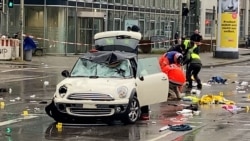
Twenty-five years later, he was sentenced to life imprisonment for plowing a Mini Cooper car into a crowd of people in Munich, killing two people and injuring dozens.
The 25-year-old Afghan's story underlines how the world has been shaped since 9/11, with both the terror threat and counterterrorism operations continually in flux.


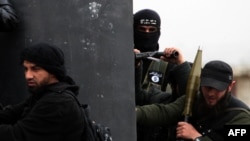
The 9/11 attacks were plotted by Al-Qaeda, a group led by Saudi millionaire Osama bin-Laden and sheltered by the Taliban authorities in Kabul who were subsequently driven from power.
After this, Farhad N. – whose surname is abbreviated in line with German privacy rules -- began to grow up in a country where US-led international forces fought for 20 years to keep the Taliban at bay.
Later, he was among hundreds of thousands of Afghans who left their country to seek peace and prosperity in Europe -- only to become radicalized by online propaganda posted by imams in his native country.
He had no affiliation or links to any specific group and appeared to have acted entirely on his own initiative.
"In the old days, we would call these lone actors or lone wolves. This is the future," a former US diplomat with decades of experience in counterterrorism told RFE/RL.
"Nobody needs to be a part of a group…They can be inspired by a group, they can be inspired by multiple groups," the ex-diplomat, who did not wish to be named, said, adding that advances in Artificial Intelligence were exacerbating an "inflection point" in the development of terror threats.
RFE/RL spoke to multiple experts about how technological means that did not exist 25 years ago, including drones, AI, and social media -- are creating a completely new and more dangerous environment.
"We're beginning to see a lot more online presence. We're beginning to see a lot more use of influencers…in addition to the standardized actors that we have become used to in the terrorist scene, we also have lone actors, those who are influenced," retired US General Joseph Votel told RFE/RL.

Votel led a parachute assault by US troops on Taliban positions in Kandahar in October 2001, just weeks after the 9/11 attacks on New York and Washington. He went on to play a key role in what was dubbed the War on Terror, serving also in Iraq and commanding operations against Islamic State (IS) militants.
"These terrorist organizations have survived. They've continued to adapt as much as they can...they've become more sophisticated," he said. "The environment is much more complex now for security experts."
'Legacy Terrorists'
With Al-Qaeda, the post 9/11 story has been one of franchises -- groups such as Al-Shabaab in Somalia and Jama'at al Islam al Muslimin (JNIM) in the Sahel region of west Africa, which affiliated with Al-Qaeda by linking their own local goals with its ambition to mount further global attacks.
This diffused structure enabled the Al-Qaeda brand to survive after US military forces pounded its leadership and deprived it of safe havens in Afghanistan in the months after 9/11.
The new US Counterterrorism Strategy , released in May, puts Al-Qaeda and "it's most aggressive subgroup, Al-Qaeda in the Arabian Peninsula (AQAP)," top of its list of what it calls "legacy Islamist terrorists."
Iran's Ties With Al-Qaeda And 'Criminal Proxies'
The US Counterterrorism Strategy lists Al-Qaeda as a major threat while describing Iran as "the world's No. 1 state sponsor of terror." Tehran's backing for groups designated as terrorist organizations by Washington, including Hezbollah and Hamas, is well-documented.
Iran also has longstanding ties with Al-Qaeda. Multiple UN reports say the group's de facto leader, Saif Al-Adel, has been living in Tehran, although a recent report said the regional conflict since February 28 may have jeopardized his security.
Experts say pragmatism underpins the unlikely relationship between Shi'a-led Iran and the Sunni militant group. Retired US General Joseph Votel said Tehran sees Al-Qaeda as useful because its activities "exact a price on the US." Al-Adel's sanctuary may also give Tehran leverage over him.
Iran has likewise backed Hamas, another Sunni group designated a terrorist organization by Washington, and supported its October 7, 2023, attack on Israel in which some 1,200 people were killed and 250 taken hostage.
Iran has also been accused of using proxies farther afield. A 2025 report by the Combating Terrorism Center at West Point highlighted Tehran's growing use of "criminal proxies to conduct attacks in order to maintain plausible deniability."
A UN report last month described AQAP as "the vanguard" of the global Al-Qaeda movement.
In recent years, studies have shown how Al-Qaeda branches coordinate financing and training. For example, UN monitors last year noted a single $50-million ransom payment to JNIM that it shared with AQIM (Al-Qaeda in the Islamic Maghreb), AQAP in Yemen, and "Al-Qaeda senior leadership in South Asia."
They're also stepping up online messaging.
"Al-Qaeda in Yemen's propaganda skyrocketed after the withdrawal from Afghanistan up until today. They published more than I've published in the past couple of years," Sara Harmouch, a terrorism expert and fellow at the Frontier Security Institute and at the Program on Extremism at George Washington University, told RFE/RL.
"Al Qaeda in Yemen, as recently as a couple of months ago…had come out with statements and videos inciting lone wolf attacks, asking individuals who are in the West to conduct attacks on the US homeland, into Europe," she said.
Flying Blind?
In this rapidly changing environment, there's another issue: loss of counterterrorism capacity.
"We're flying blind. In the last year and a half…we've lost people and we've lost money," the former diplomat said, adding that the current geopolitical environment has exacerbated the challenge.
"Right now, we're kind of in the eye of the storm between the aftermath of October 7 [the 2023 Hamas-led attack on Israel] and the ongoing Iran war," he went on. "We've lost a lot of good people that had on-the-ground experience, institutional knowledge."
During a September 2 George Washington University webinar, similar concerns were raised by other leading counterterrorism experts.
Tom Sanderson from the Center for Strategic and International Studies noted a "reduction in focus on terrorism, the budgets, the personnel," while Bruce Hoffman from the Council on Foreign Relations spoke of a staff "exodus" from the State Department's counterterrorism bureau, which was restructured last year.
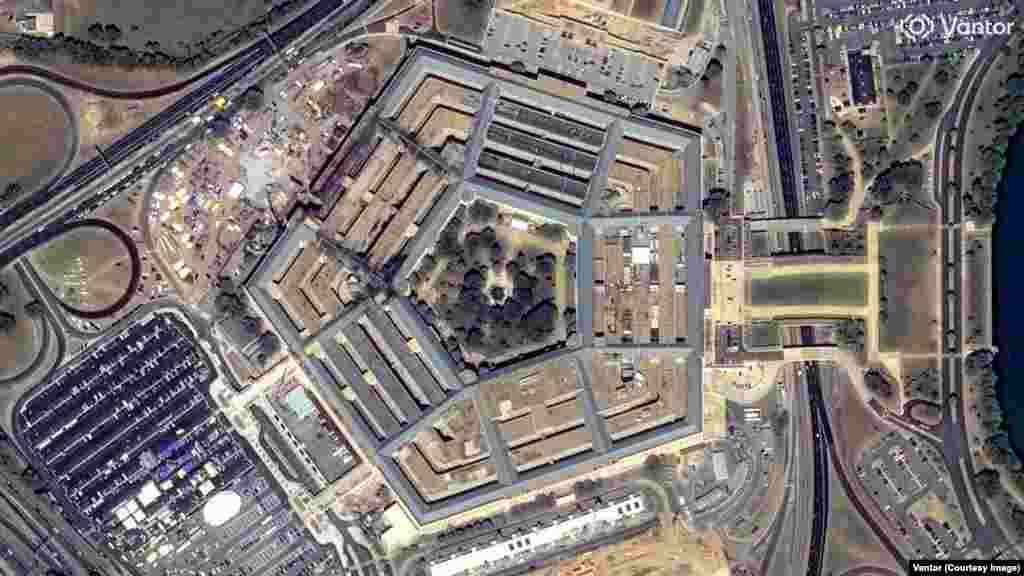
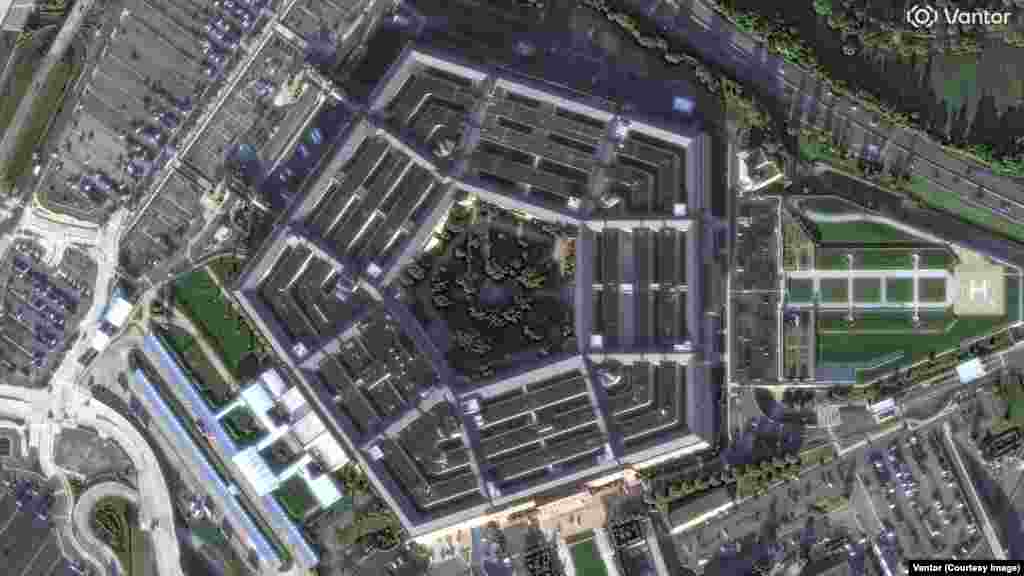
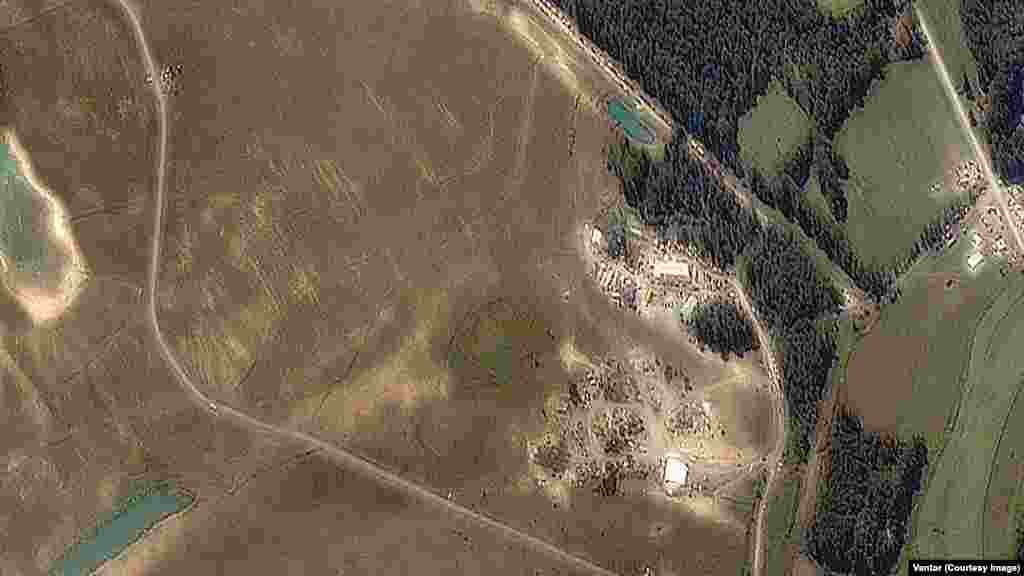
From Ruins To Remembrance: Then And Now Images Of September 11 Sites
Then
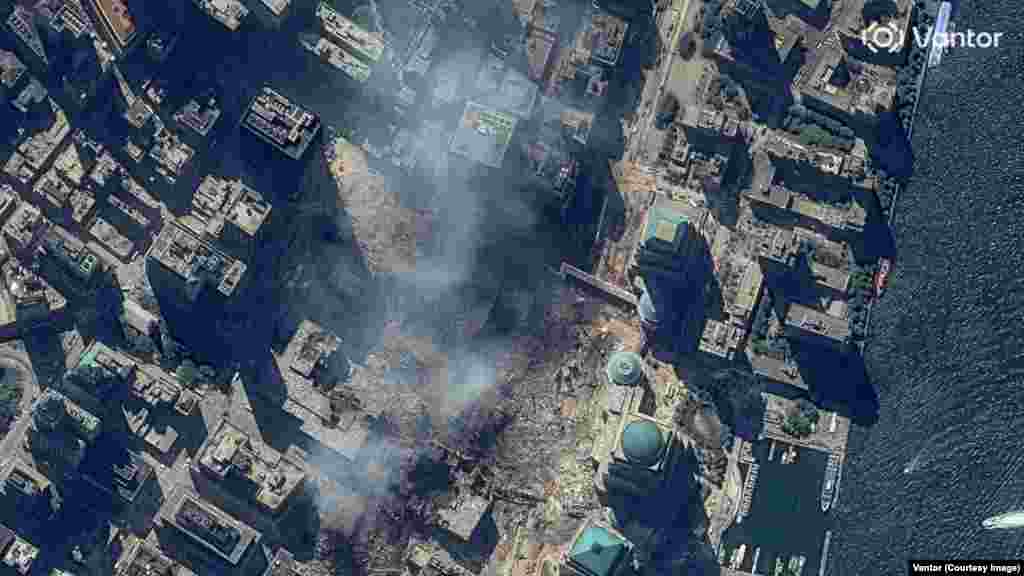
Now

Then
Now
Then
Now
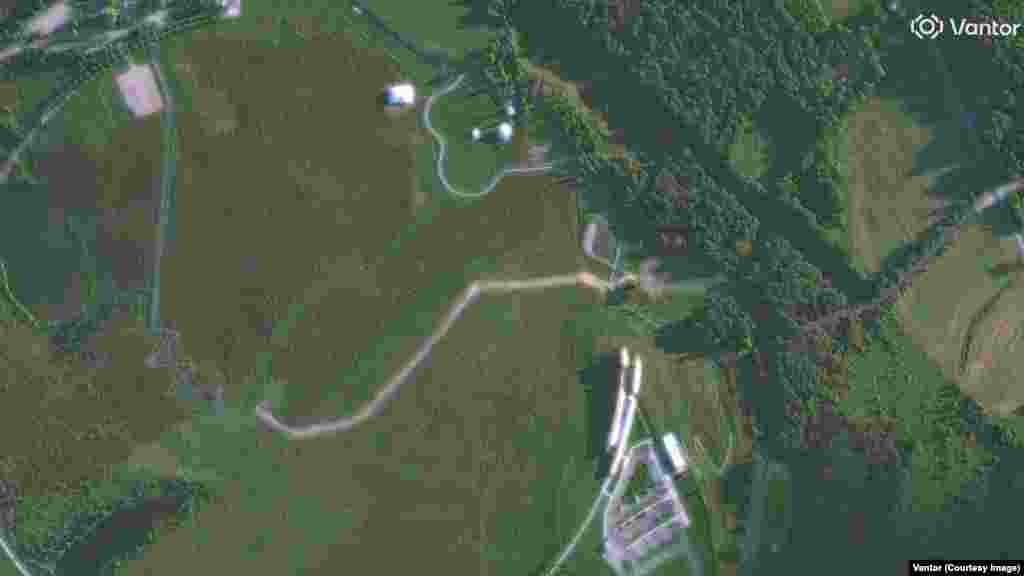
Then

Now

There was no immediate comment from the White House or the State Department on the issues raised in this article. Funding for counterterrorism began decreasing after a review in 2018 and these reductions have gained pace since 2025.
The US Counterterrorism Strategy says "our nation has not been well served by its Intelligence Community, which has been mired in old ways of looking at threats."
Jonathan Schroden, chief research officer at CNA, another Washington-based think-tank, told RFE/RL that there's been a key policy change in recent years.
"Our goals have shifted away from the total defeat of these groups and towards the effective management of the threat that they pose…keeping that away from the US homeland," he said.
"I think the structure that the US has in place now has been largely effective at doing that over the last five to seven years," he added.

